- Purity
- >99%
- Dispatch
- Dispatched next business day with cold-chain delivery
- Cold chain
- Temperature-controlled packaging from lab to door
- Certificate
- Certificate of Analysis available on request for this batch
Multi-vial Discount Available
Select Size
Ships Next Day
Orders confirmed before 12pm EST ship the same business day; orders after 12pm EST ship the next business day. Monday to Friday.
Quality Guaranteed
Every batch is HPLC-tested to >99% purity. Certificate of Analysis available on request; MSDS available on request.
Certificate of Analysis Available on Request
Request this batch's certificate using your order number.
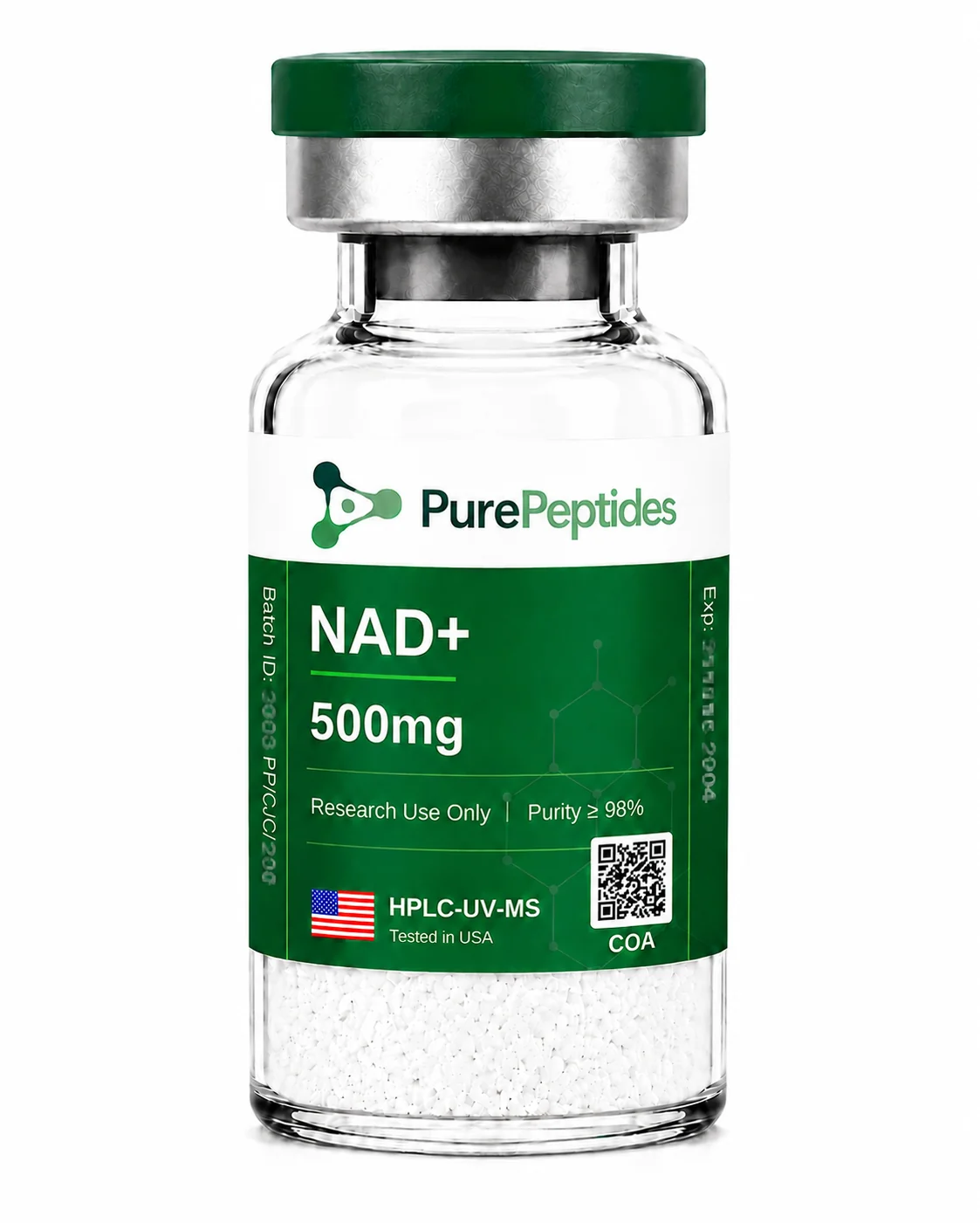
What is NAD+?
NAD+ is not a peptide. It is a small molecule. Every living cell uses it to carry electrons during energy production. Cells also consume it as a raw material for enzymes that repair DNA and switch genes on and off. Its full name is nicotinamide adenine dinucleotide, and the plus sign marks the oxidized form. Most published human work does not use this molecule at all. It uses two smaller building blocks, nicotinamide riboside and nicotinamide mononucleotide, which cells turn into it.
Technical Specs
Labeled quantity is net peptide content, not gross salt weight.
NAD+ Research & Reference
What NAD+ does in published studies, and how to work with it in the laboratory, are covered in full on two dedicated pages rather than summarised here, so neither the evidence nor the handling detail is cut short.
Safety Data Sheet
The safety data sheet for NAD+ is below as a PDF, in the 16-section GHS format covering identification, hazards, handling, storage and disposal.
Frequently Asked Questions
Is NAD+ independently tested for purity?+−
Yes. Every batch of NAD+ is tested by an independent third-party laboratory using HPLC and MS-UPLC, confirming purity and mass identity before the batch is released. Pure Peptides does not test its own material.
What does "Research Use Only" mean?+−
It means NAD+ is supplied for in-vitro laboratory research and for no other purpose, and must not be administered to humans or animals. NAD+ is legal to purchase in the United States for in vitro and non-clinical laboratory research. It has no FDA approval and no approved human use. As a laboratory-grade nucleotide, NAD+ carries no scheduling restrictions under the Controlled Substances Act. Sold strictly for qualified research use, not human or veterinary administration.
How is NAD+ shipped and stored?+−
NAD+ ships from US stock with cold-chain packaging and full tracking; orders placed before noon EST on business days are typically dispatched the same business day. On arrival, store the lyophilized powder at -20°C or below, dry and protected from light.
Is research on nicotinamide riboside or NMN research on NAD+?+−
No. Nicotinamide riboside and nicotinamide mononucleotide are smaller precursor molecules that cells convert into NAD+. They are different substances, they are absorbed differently, and most published human work uses one of them rather than NAD+ itself. When comparing published results, check which molecule was actually given. The Published Research tab names the molecule in every sentence for this reason.
What happened when NAD+ itself was given to people?+−
One published human study infused NAD+ intravenously over six hours and sampled plasma and urine throughout. Neither NAD+ nor its metabolites rose in plasma until after two hours. The authors concluded that at the rate used, NAD+ was rapidly and completely removed from the plasma for at least the first two hours, and that the metabolite pattern was consistent with the molecule being broken apart. It is the only human study on the Published Research tab that administered NAD+ rather than a precursor.
Related Compounds
 >99%
>99% >99%
>99% >99%
>99% >99%
>99% >99%
>99% >99%
>99%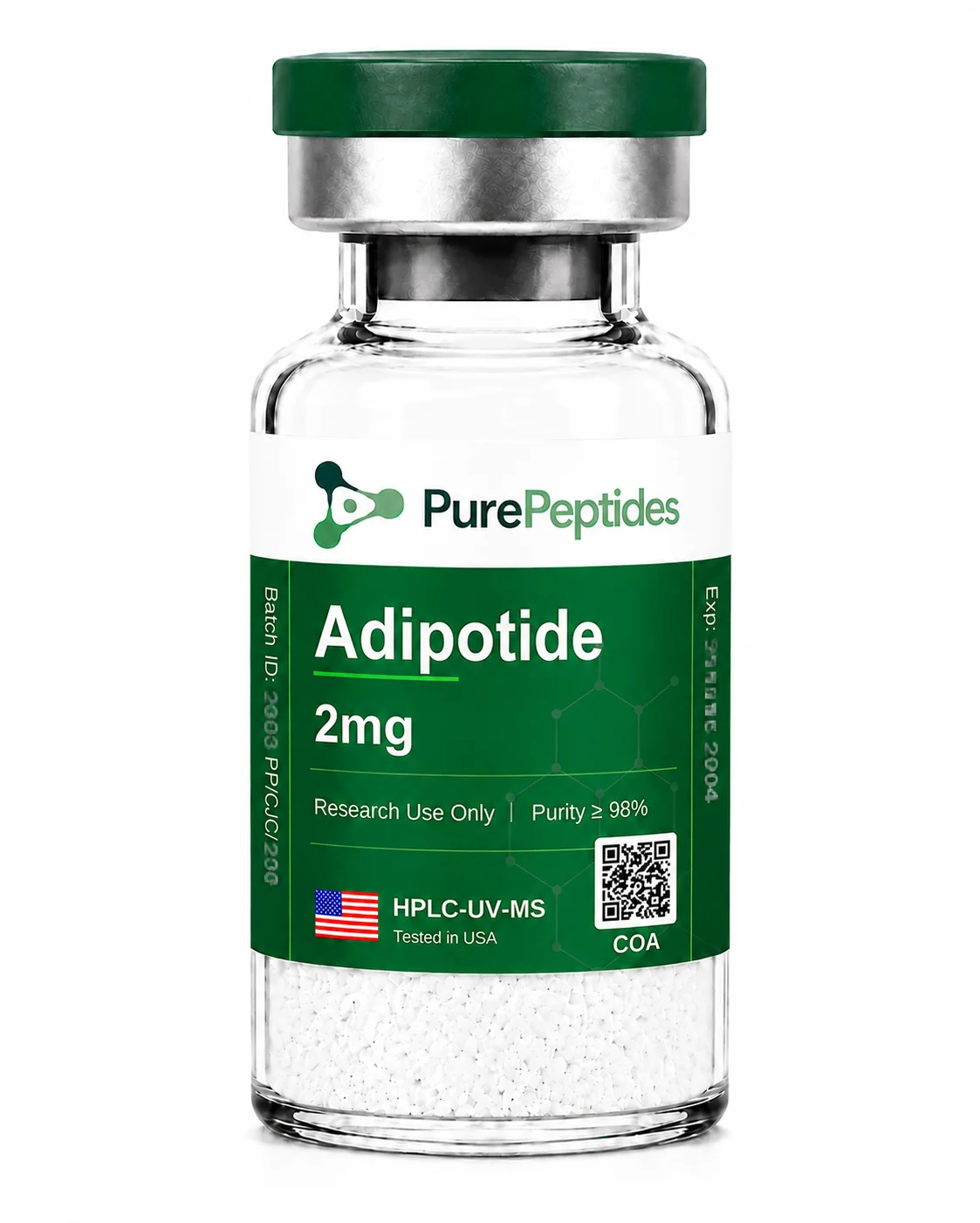 >99%
>99%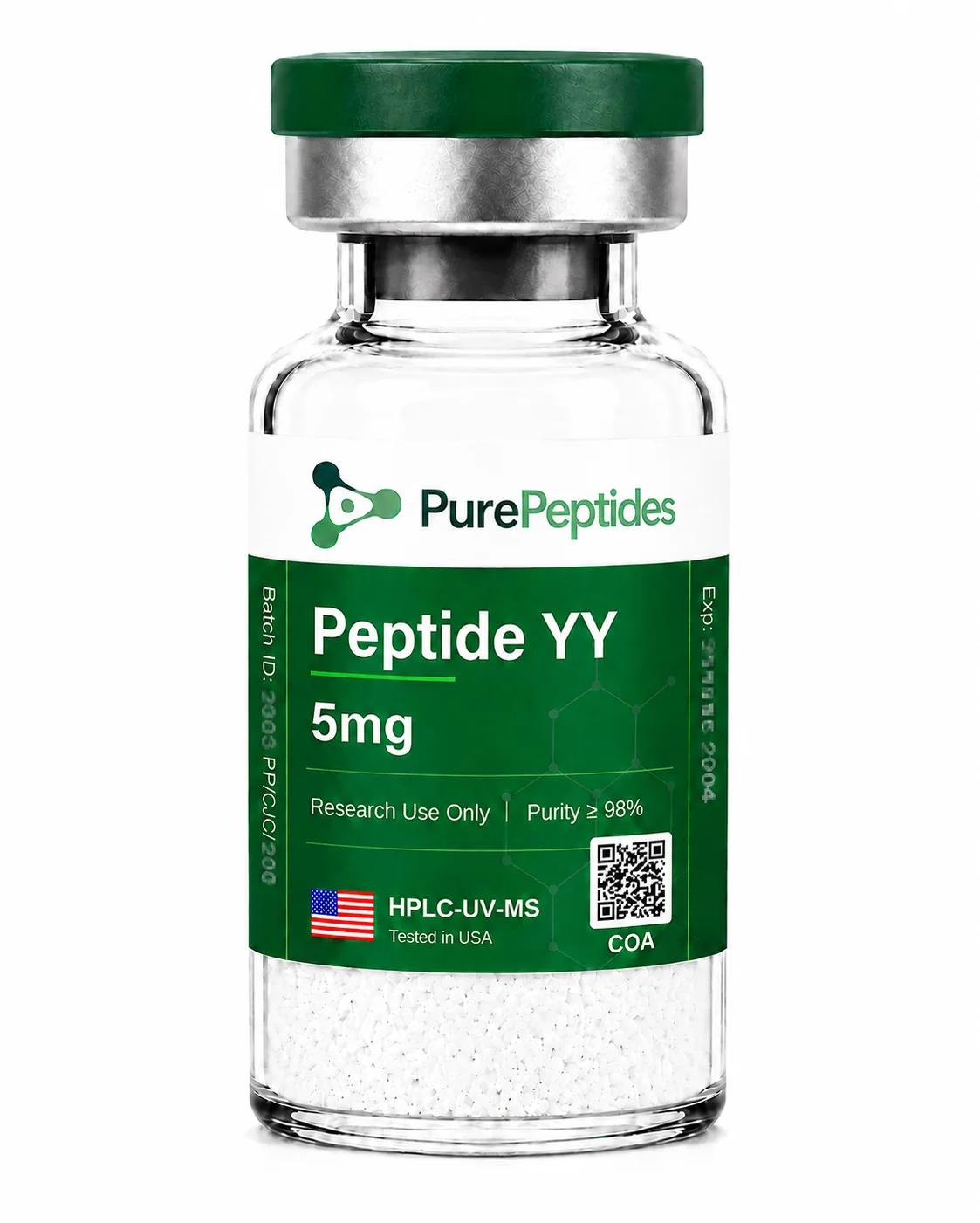 >99%
>99%