
Peptide Bioregulators
Short-chain regulatory peptides including the Khavinson bioregulator series of organ-specific oligopeptides, alongside related immunomodulatory peptides for research use.
- Compounds
- 17
- Purity
- Verified by HPLC and MS-UPLC on every batch
- Certificate
- Batch-specific COA on every product
About Peptide Bioregulators
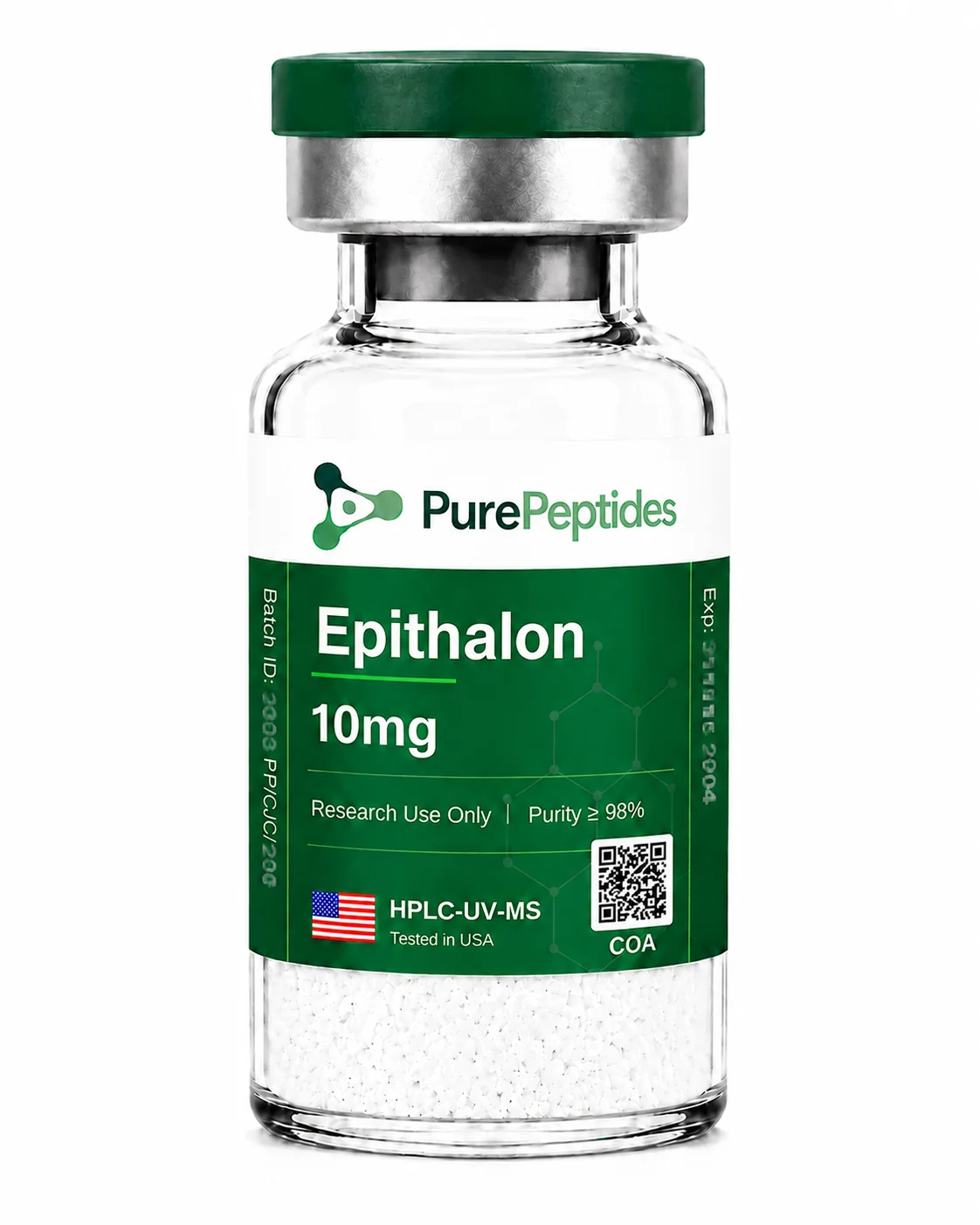
This category is built around the Khavinson bioregulators, a family of short two-to-four amino acid peptides developed by Russian gerontologist Vladimir Khavinson and colleagues starting in the 1970s. The defining idea behind the series is tissue specificity: each compound is modeled on extracts from a particular organ, and research has focused on whether it can selectively influence gene expression and protein synthesis in that same tissue. Epithalon (pineal gland), Thymalin (thymus), Pinealon (studied for blood-brain-barrier penetration), and Cartalax (cartilage) are the most-cited compounds in the peer-reviewed literature on this series, much of it originating from the St. Petersburg Institute of Bioregulation and Gerontology. Alongside the Khavinson series, this category also carries related immune-signaling peptides that share a research history but not the same tissue-specific mechanism, including Thymosin Alpha-1, Thymulin, and HEP-1.
 >99%
>99% >99%
>99% >99%
>99% >99%
>99% >99%
>99% >99%
>99% >99%
>99%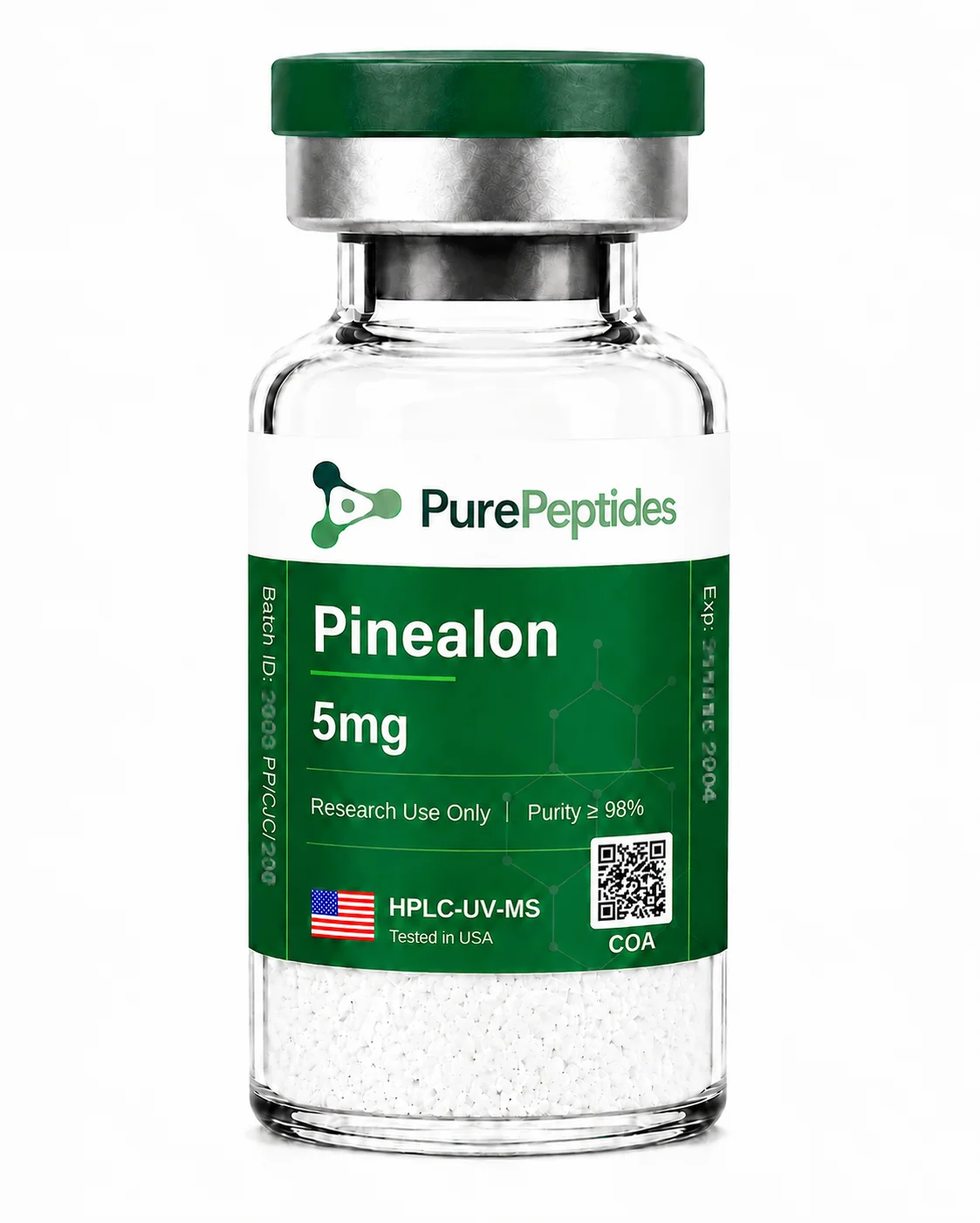 >99%
>99%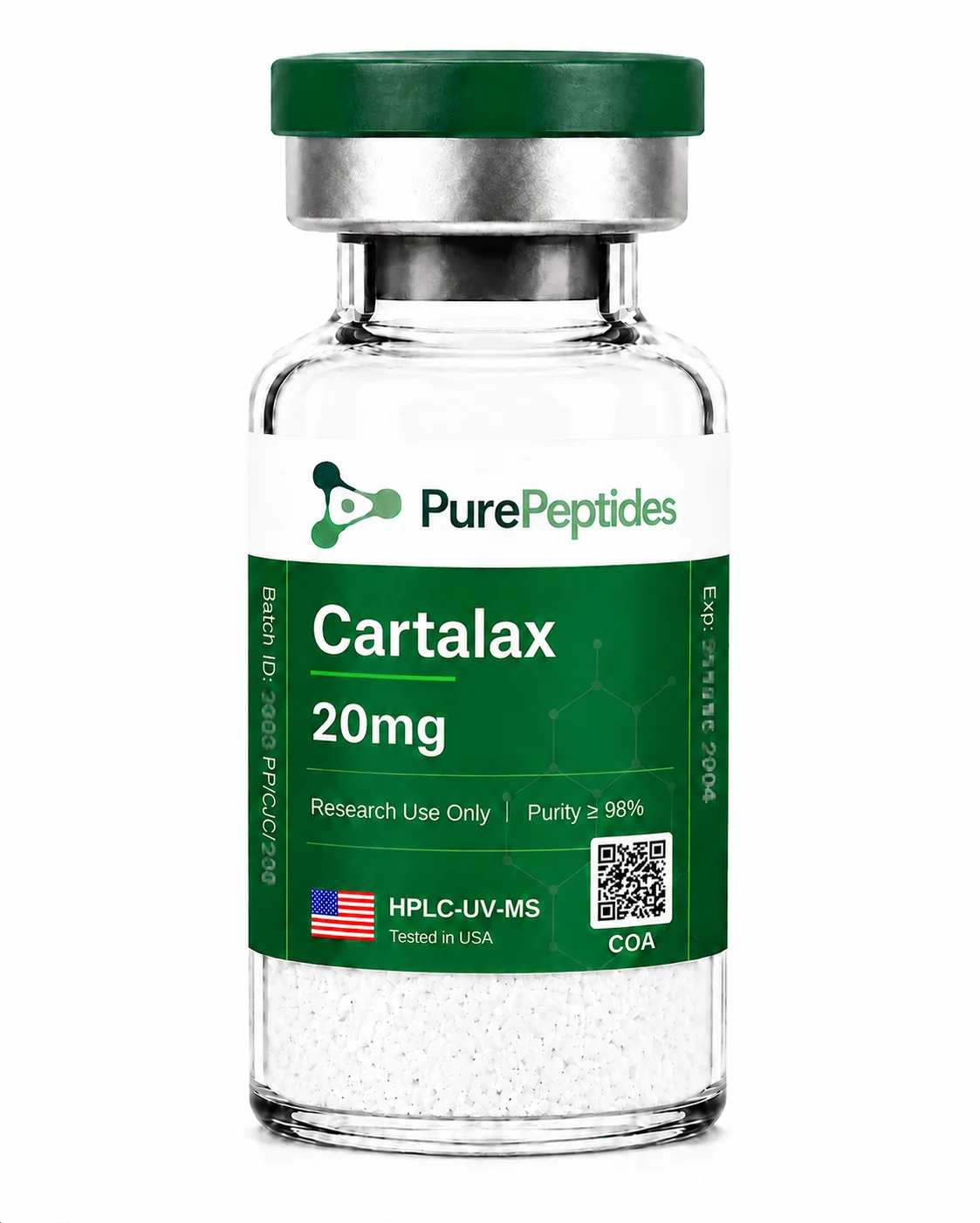 >99%
>99% >99%
>99% >99%
>99%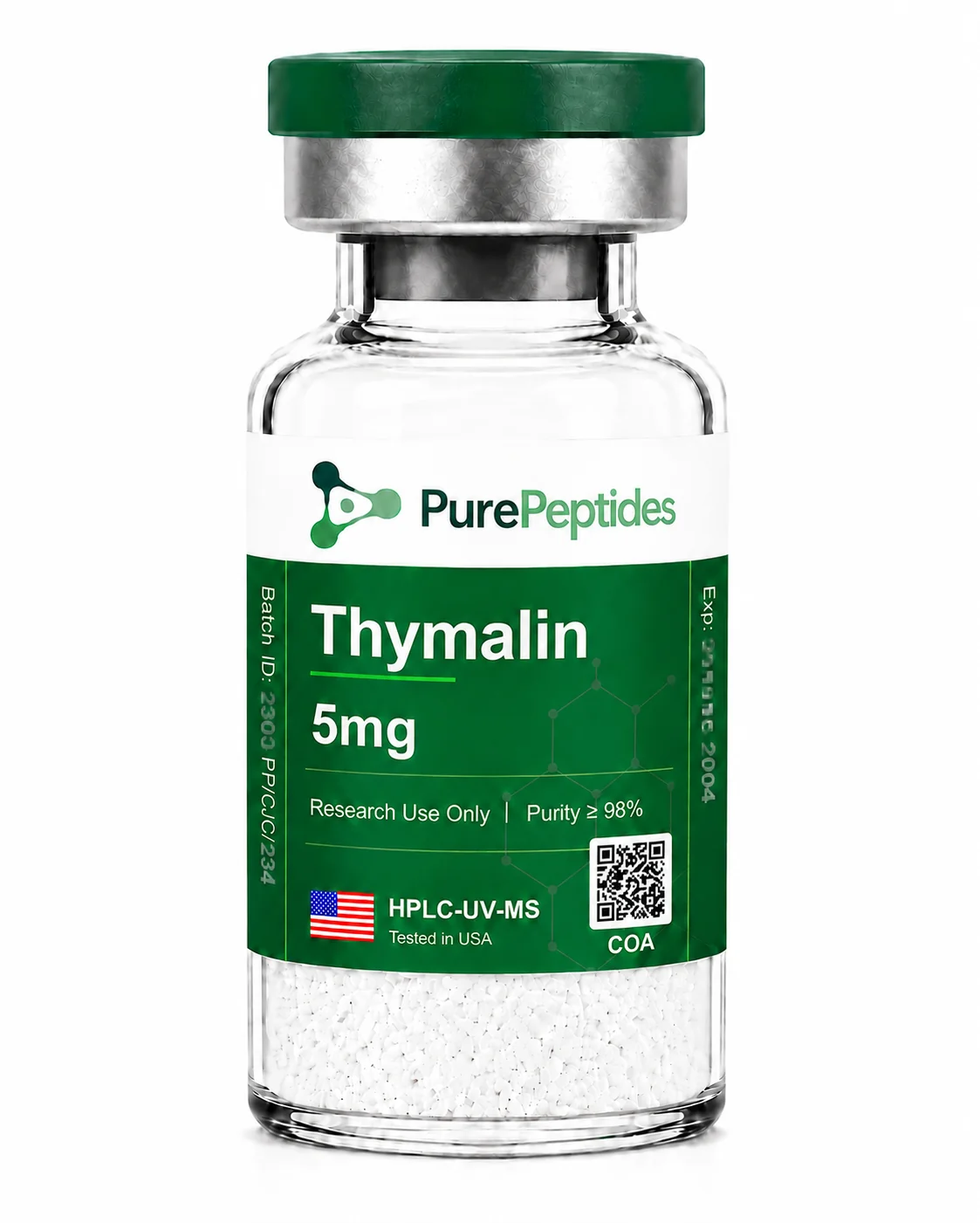
 >99%
>99% >99%
>99% >99%
>99% >99%
>99% >99%
>99%Reading on Peptide Bioregulators
Evidence reviews and handling references for each compound in this category, kept off the product pages so neither the evidence nor the handling detail is cut short.
Epithalon
N-Acetyl Epitalon
Bronchogen
Cardiogen
Cartalax
Cortagen
Crystagen
Livagen
Ovagen
Pancragen
Pinealon
Prostamax
Testagen
Thymalin
Vesilute
Vesugen
From the blog
Background and context on these compounds.
For in-vitro research use only. Not for human or veterinary use.