
Metabolic & Cellular Research
Peptides and small molecules targeting metabolic pathways, mitochondrial function, and cellular regulation.
- Compounds
- 12
- Purity
- Verified by HPLC and MS-UPLC on every batch
- Certificate
- Batch-specific COA on every product
About Metabolic & Cellular Research
This category groups compounds — peptide and non-peptide alike — studied for their role in energy metabolism, fat oxidation, and mitochondrial biology. AOD-9604 is a fragment of the C-terminal region of human growth hormone (amino acids 176–191), isolated specifically because it retains GH's lipolytic activity in research models without the GH receptor binding linked to insulin resistance. AICAR is not a peptide but a cell-permeable nucleoside that mimics AMP, making it a standard laboratory activator of AMP-activated protein kinase (AMPK) in cellular energy studies. MOTS-c, one of several mitochondrial-derived peptides encoded within the mitochondrial genome itself, is studied for AMPK activation and its downstream effects on skeletal-muscle glucose handling. NAD+ and its metabolic precursors — also non-peptide molecules — are researched for their role as sirtuin cofactors, supporting studies of DNA repair and mitochondrial efficiency as cellular NAD+ levels decline with age.
 >99%
>99%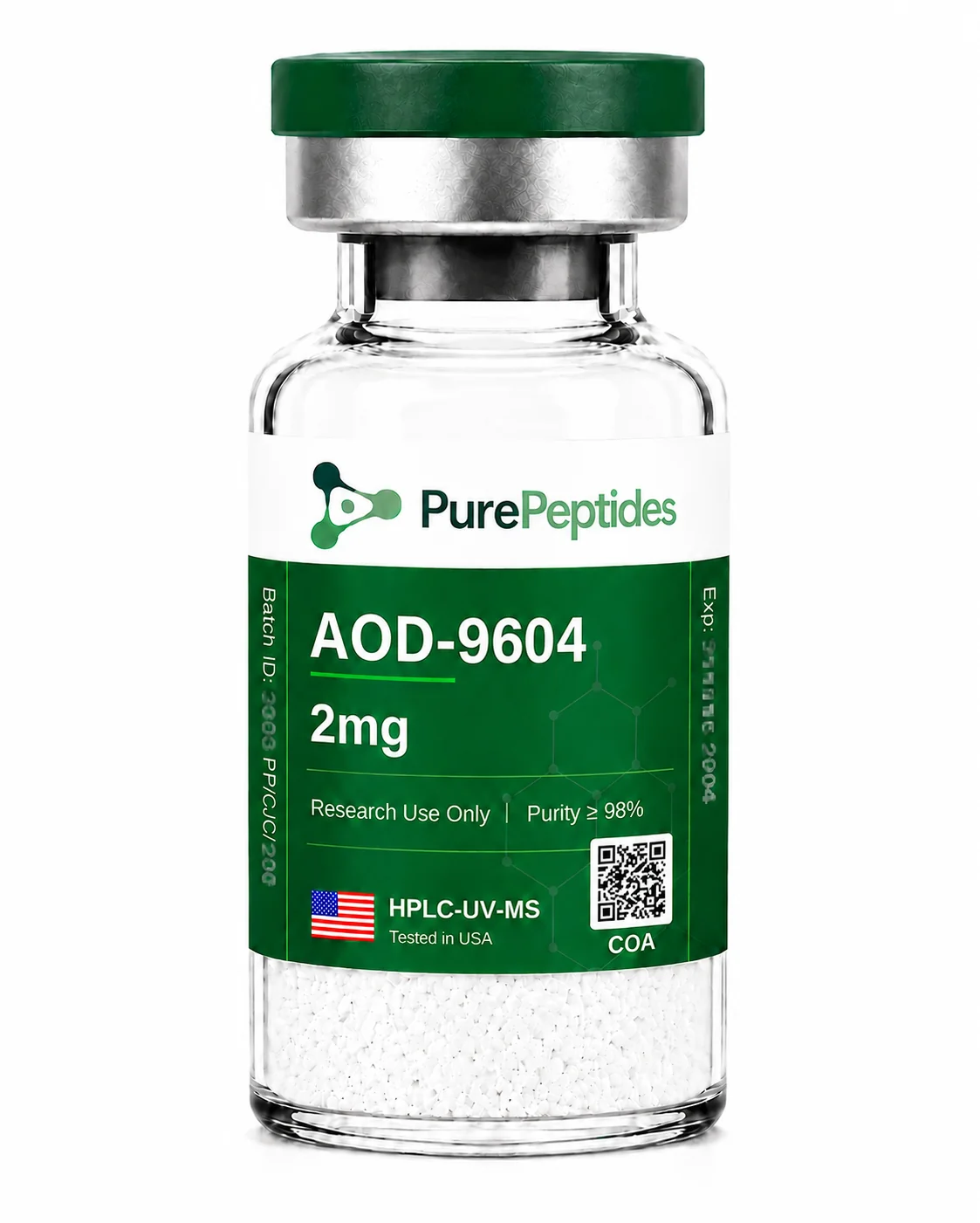 >99%
>99%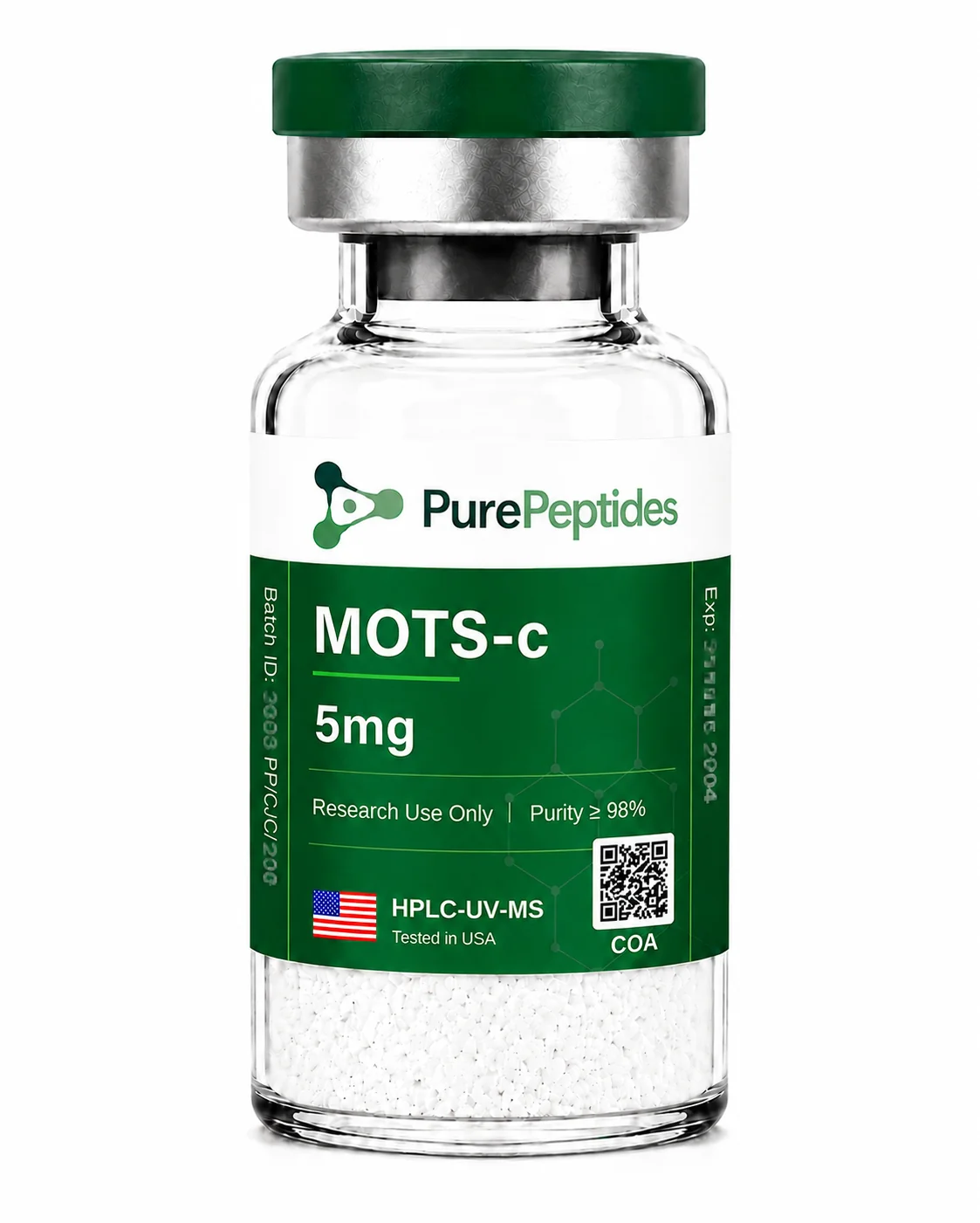 >99%
>99% >99%
>99% >99%
>99% >99%
>99% >99%
>99% >99%
>99% >99%
>99% >99%
>99% >99%
>99% >99%
>99%Reading on Metabolic & Cellular Research
Evidence reviews and handling references for each compound in this category, kept off the product pages so neither the evidence nor the handling detail is cut short.
AOD-9604
Adipotide
AICAR
MOTS-c
NAD+
Peptide YY (PYY 3-36)
ACE-031
GDF-8 (Myostatin)
Follistatin 344
SS-31 (Elamipretide)
FOXO4-DRI (Proxofim)
From the blog
Background and context on these compounds.
For in-vitro research use only. Not for human or veterinary use.